Florida — Civil liberties advocates are sounding the alarm after Governor Ron DeSantis signed legislation that critics say tilts Florida’s criminal justice system further in favor of law enforcement while reducing protections for citizens who may be subjected to unlawful arrests or brutal beatings.
This decision comes after the Florida Highway Patrol (FHP) falsely identified and wrongfully arrested Lindsey Brooke Isaacs, a 23-year-old woman from Palm Coast, as the driver who caused a fatal triple hit-and-run collision. In this case, the FHP manhandled Isaacs, treated her like a criminal, fabricated evidence and ignored evidence that would clear her name.
DeSantis has attempted to make light of the Isaacs arrested and eluded to the fact that law enforcement can do no wrong.
The new legislation, known as the , expands legal protections for law enforcement officers acting in what the law defines as “good faith.” Under the measure, Floridians are prohibited from using force to resist an arrest or detention by an officer who is acting in “good faith,” even if that arrest is later determined to have been unlawful.
Supporters of the legislation argue the law is necessary to protect officers in dangerous and rapidly evolving situations. They contend that disputes over unlawful arrests should be resolved in court rather than through physical confrontations on the street.
Critics, however, say the measure weakens a citizen’s ability to defend themselves against government misconduct. Civil rights advocates argue that the law creates a troubling standard under which an officer may make an arrest that is later ruled unlawful, yet still receive legal protection if the officer claims to have acted in good faith.
The bill also removes language from Florida law that previously stated officers were not justified in using force when carrying out an arrest they knew to be unlawful. Opponents say that change could make it more difficult to hold officers accountable when abuses occur.
Legal experts note that citizens who believe they have been falsely arrested still retain the right to challenge arrests in court and pursue civil claims. However, critics argue that those remedies often come long after the physical encounter has ended and may not adequately address situations involving excessive force and that, law enforcement often hide behind qualified immunity.
The debate highlights a growing divide between those who believe stronger protections for law enforcement improve public safety and those who fear such measures erode constitutional protections against government overreach.
According to legal experts, the law not only removed language that could assist in protecting innocent civilians in court, but it gives the impression that those with a badge are above the law.
Example:
- Currently, if a person unintentionally brushes an officers arm, hand, etc. and the officer adds a charge of battery on a law enforcement officer, it’s a misdemeanor. In the new legislation, it will be a third-degree felony.
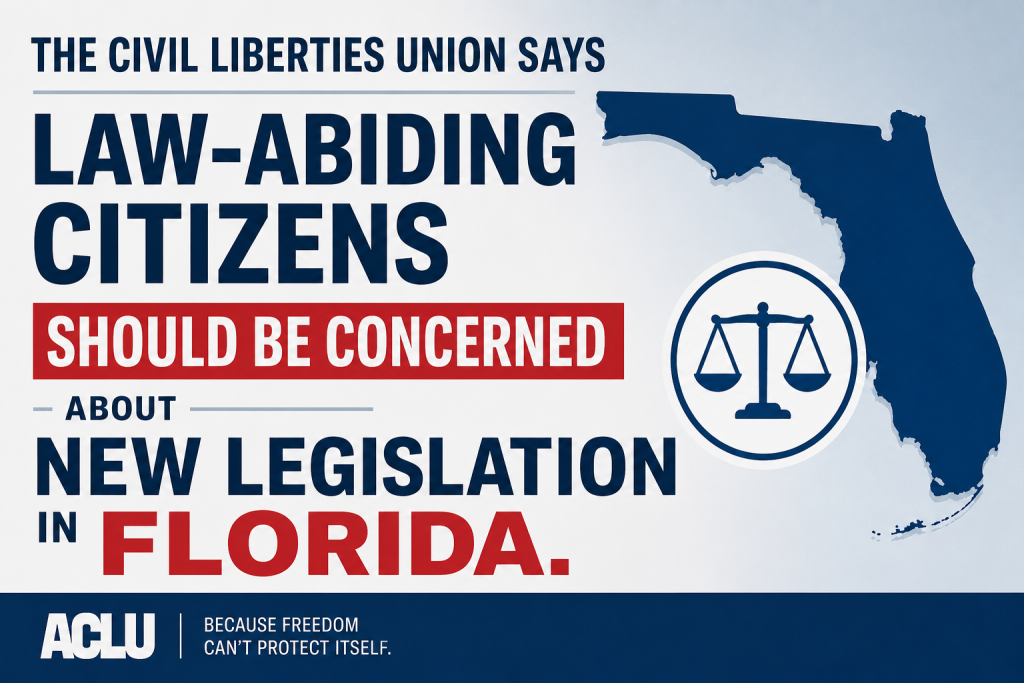
The Civil Liberties Union said no matter what side of the isle you are on, this is not a move in the right direction and that it is wrong how misleading DeSantis has been to the public during press conferences.
The law is scheduled to take effect on July 1.
 5
5 0
0
 20
20